
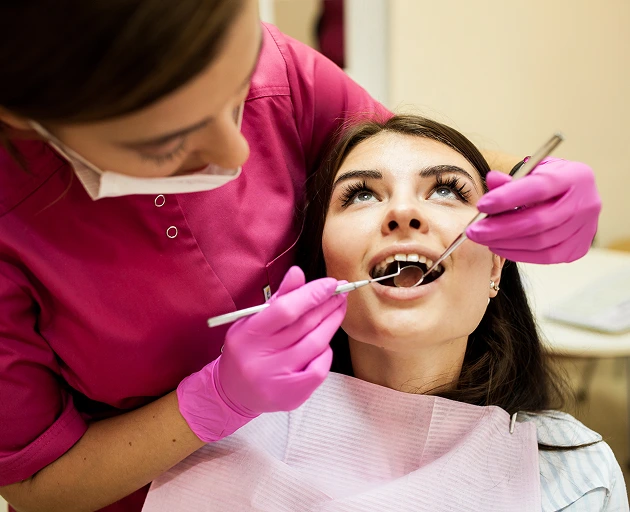
Protect Your Smile with Expert Periodontal Care
Gum disease is more common than most people realize, and more serious than it looks in its early stages. Oftentimes, it begins quietly: gums that bleed when you brush, a subtle puffiness you might chalk up to brushing too hard. Left untreated, it progresses to bone loss, tooth loosening, and eventually tooth loss. At East Cooper Dental, we provide periodontal care for West Ashley patients who want to protect their gum health before it becomes a bigger problem, and for those who are already dealing with active disease and need effective treatment.
Dr. Warner has been practicing in Mount Pleasant since 2002 and has been serving patients from across the greater Charleston area for over two decades. Periodontal health is closely connected to the success of other treatments. Implants, restorations, and cosmetic work all depend on a healthy gum foundation, so we take it seriously from the beginning.
Why West Ashley Patients Choose East Cooper Dental for Periodontal Care
Periodontal treatment requires more than a cleaning. It requires an accurate diagnosis, an understanding of the specific bacteria and conditions driving the disease in a particular patient, and a treatment plan calibrated to the stage and type of disease.
We approach periodontal care as a connected part of your overall oral health, not a separate department. Our team evaluates gum health at every routine visit, catches disease early when treatment is most straightforward, and provides non-surgical and supportive periodontal therapy for patients with more advanced presentations.
You can see the same commitment to periodontal care in our periodontics page for Charleston patients.
What Is Periodontal Disease?
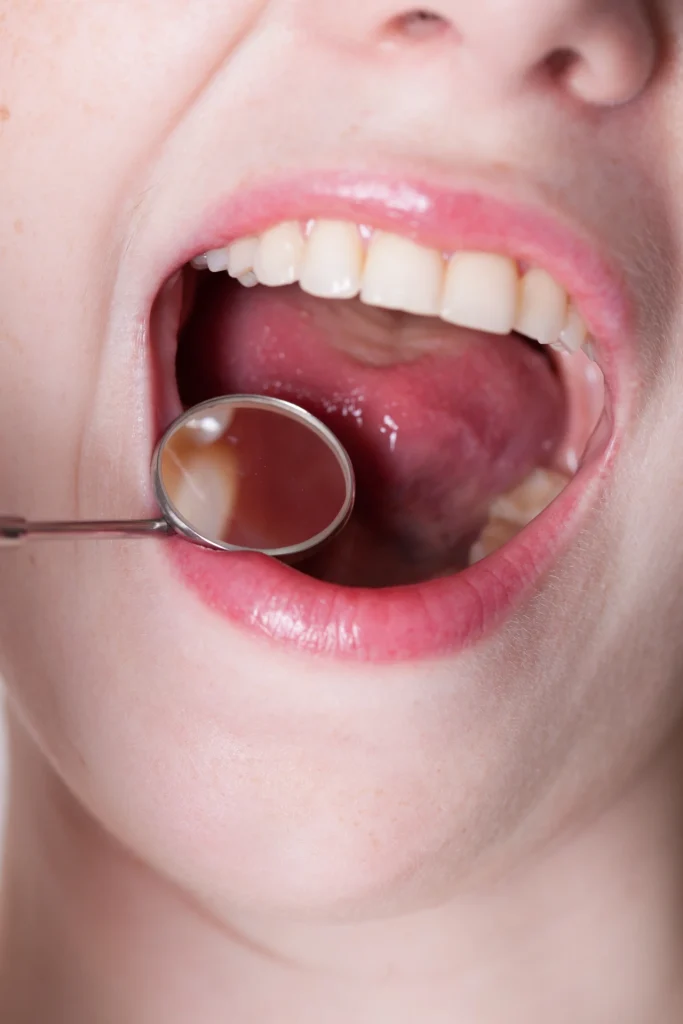
Periodontal disease is a bacterial infection of the tissues that support the teeth: the gums, the periodontal ligament, and the alveolar bone. It develops when bacterial plaque and tartar build up along and below the gumline, triggering a chronic inflammatory response that gradually destroys the supporting structures.
The disease progresses in stages:
Gingivitis is the earliest and most reversible stage. The gums are inflamed, red, and bleed easily, but the underlying bone and connective tissue have not yet been affected. With professional cleaning and improved home care, gingivitis resolves completely.
Mild to Moderate Periodontitis means the infection has moved below the gumline. Periodontal pockets (the spaces between the teeth and gums) deepen as tissue and bone begin to break down. Treatment at this stage is more involved but highly effective.
Advanced Periodontitis involves significant bone loss, deep pockets, and possible tooth mobility. Treatment is more complex and may require referral to a periodontist for surgical intervention, but many cases can still be stabilized and managed.
According to the Centers for Disease Control and Prevention (CDC), nearly half of adults aged 30 and older have some form of periodontal disease. It is the leading cause of tooth loss in adults, yet in its early stages it is both preventable and reversible.
Signs You May Have Gum Disease
Many patients are unaware they have periodontal disease because it is not always painful in the early stages. The most common signs include:
- Bleeding gums when brushing or flossing. This is the single most common early indicator and should not be ignored
- Red, swollen, or tender gums that look different from normal, firm pink tissue
- Persistent bad breath that does not resolve with brushing or mouthwash
- Gum recession. The gum line pulling back, making teeth appear longer than they used to
- Loose or shifting teeth. Movement is a sign of significant bone loss
- Sensitivity near the gumline. Exposed root surfaces are more sensitive to temperature changes
- Changes in your bite or the fit of a partial denture
If any of these sound familiar, the right step is an evaluation. Early intervention is always easier, faster, and less costly than treating advanced disease. If you are also experiencing pain that may indicate an infection, our emergency dental services for West Ashley patients can help you get seen promptly.


Periodontal Treatments We Provide
The appropriate treatment depends on the stage of disease and how it is responding to care. We provide the following:
Scaling and Root Planing (Deep Cleaning)
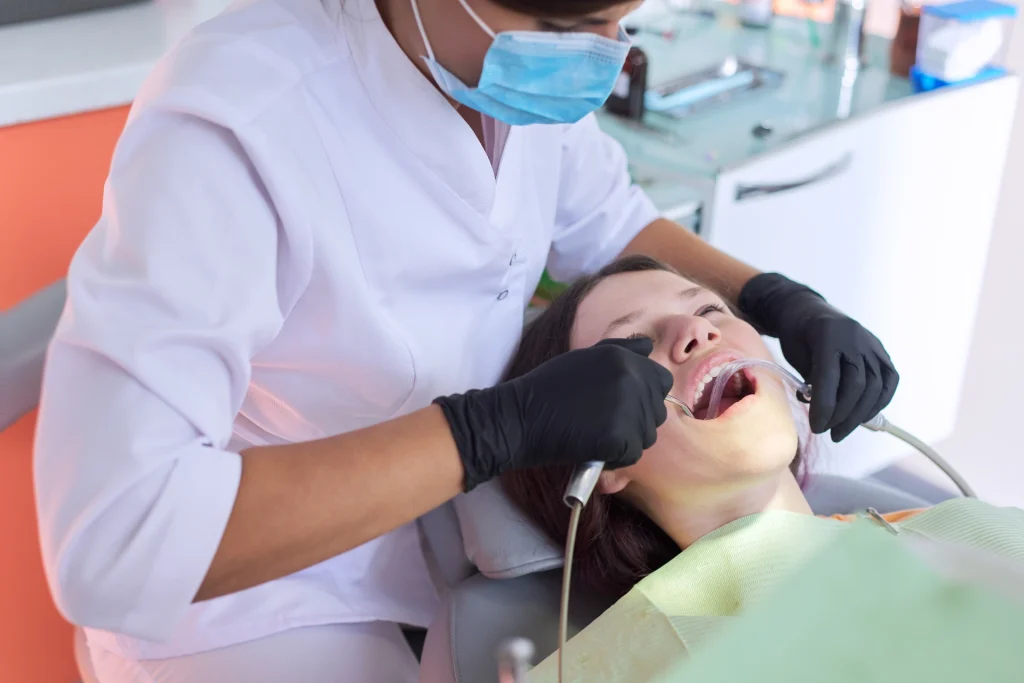
Scaling and root planing is the primary non-surgical treatment for periodontitis. It involves removing plaque and tartar deposits from below the gumline (scaling) and smoothing the root surfaces of the teeth (root planing) to eliminate the rough spots where bacteria accumulate and to help the gum tissue reattach to the tooth.
The procedure is performed under local anesthesia and is typically completed in two appointments covering the upper and lower arches. Most patients experience significant improvement in pocket depths and tissue health after scaling and root planing.
Periodontal Maintenance
Patients with a history of periodontal disease do not maintain their gum health with standard twice-yearly cleanings alone. Periodontal maintenance appointments are typically scheduled every three to four months and include a more thorough cleaning at and below the gumline, a measurement of pocket depths to monitor disease activity, and reassessment of home care habits.
Periodontal maintenance is not a temporary program. It is an ongoing part of managing a chronic condition. Patients who stay consistent with their maintenance schedule have significantly better long-term outcomes than those who return to annual or biannual cleanings.
Antibiotic Therapy
In some cases, localized antibiotic therapy is used alongside scaling and root planing to target persistent bacterial pockets. This is a targeted, in-office application rather than systemic antibiotics.
Referral for Surgical Cases
For cases with advanced bone loss or pockets that do not respond to non-surgical treatment, we refer to a trusted periodontist for surgical evaluation. We coordinate that care and remain involved in your maintenance going forward.
The Connection Between Gum Health and Overall Health
Periodontal disease is not just a dental issue. Research published by the American Academy of Periodontology (AAP) has identified links between periodontal disease and systemic conditions including cardiovascular disease, diabetes, and complications in pregnancy. The chronic inflammation associated with gum disease may contribute to inflammatory conditions elsewhere in the body.
For patients with diabetes in particular, the relationship is bidirectional: uncontrolled diabetes increases susceptibility to gum disease, and active gum disease can make blood sugar more difficult to control. Treating periodontal disease is a meaningful component of overall health management for diabetic patients.

Gum Health and Dental Implant
Periodontal health is essential for dental implant success. Patients with active gum disease are not candidates for implant placement until the disease is treated and stable. The same bacteria that destroy the bone supporting natural teeth can cause peri-implantitis, an infection around the implant that leads to implant failure.
If you are considering dental implants in West Ashley and have a history of gum disease, we evaluate your periodontal status as part of the implant consultation. In many cases, completing periodontal treatment and demonstrating stability is the path that leads to successful implant placement.
Serving West Ashley and the Greater Charleston Area
East Cooper Dental is located in Mount Pleasant and serves patients from West Ashley, North Charleston, Daniel Island, Sullivan’s Island, Isle of Palms, and throughout the greater Charleston metro. We also provide periodontal care for Daniel Island patients and for patients across the Lowcountry who need a practice they can count on for comprehensive gum health management.
Our West Ashley dental location page provides additional information about the services we offer to patients coming from the West Ashley area.
Book Your Periodontal Evaluation in West Ashley
If you have noticed any of the signs of gum disease, or if it has been more than a year since your last dental visit, a periodontal evaluation is the right starting point. Early treatment is straightforward, and getting ahead of gum disease before it reaches an advanced stage protects both your oral health and your investment in the rest of your smile.